
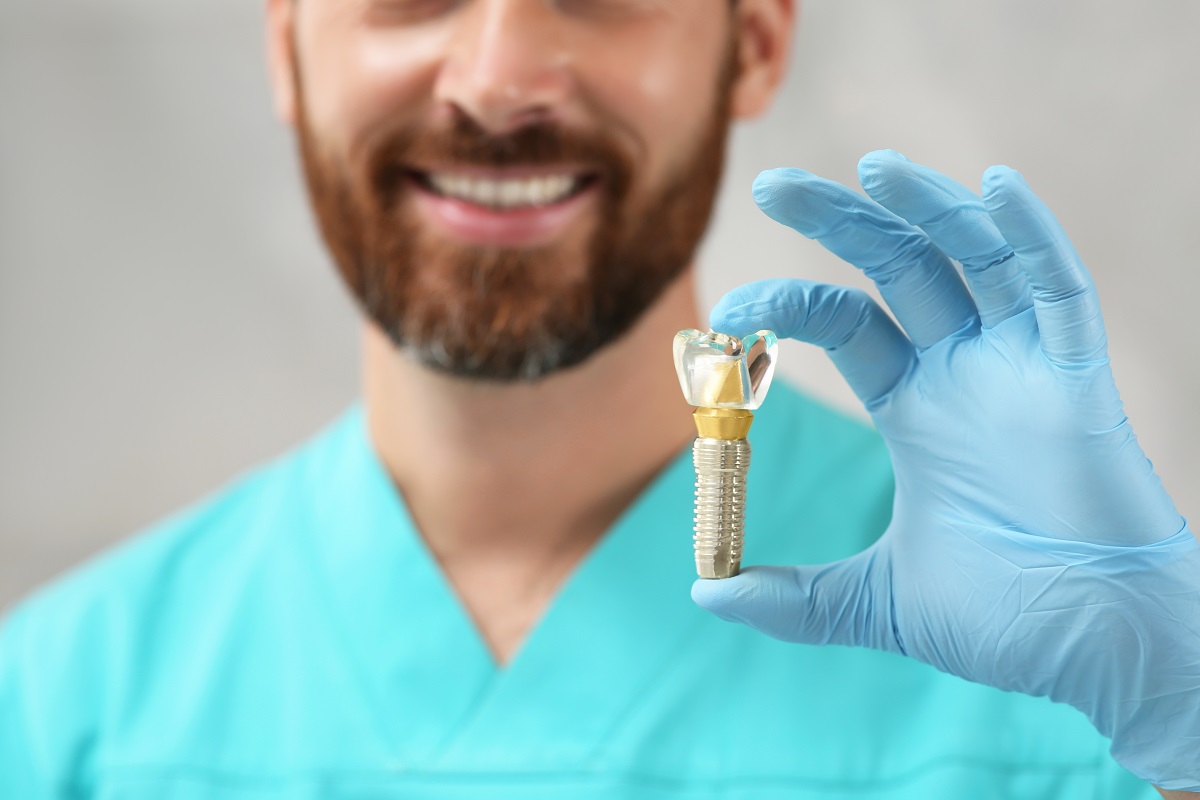
Is Your Dental Implant Healing Properly? Warning Signs You Shouldn’t Ignore
Residents across Hoover and nearby communities like Riverchase and Bluff Park often assume that once a dental implant is placed, the hard part is over. In reality, the healing phase is where long-term success is either secured or quietly compromised. Many patients go through this period unsure of what’s normal and what’s not, which is exactly where small issues can escalate.
Dental implants are highly predictable today, but the healing process isn’t passive. It depends on how your body responds and how carefully post-surgical instructions are followed.
Dr. Elisabeth Cantrell Sewell of Brocks Gap Dental Group focuses on comprehensive, patient-centered implant care. Her approach emphasizes early diagnosis, conservative intervention, and clear patient communication to prevent complications before they become serious. Contact our team in Hoover today to have your healing evaluated and get the guidance you need to stay on track.
When Healing Feels “Off” But Not Urgent
One of the most common patterns we see is hesitation. Patients notice something unusual but wait, hoping it resolves on its own. The problem is that implant complications rarely start dramatically. They begin subtly.
Mild discomfort, slight swelling, or tenderness is expected in the first few days. What matters is the direction of change. Healing should steadily improve. If symptoms plateau or worsen, that’s your first signal that something needs attention.
Pain That Doesn’t Follow the Normal Pattern
Post-surgical soreness typically peaks within 48 to 72 hours and then declines. When pain:
- Persists beyond a week
- Returns after initially improving
- Feels sharp or throbbing instead of dull
…it often points to inflammation or early infection around the implant site.
In clinical settings, we frequently see patients dismiss this as “normal healing,” especially if the discomfort is tolerable. That delay can allow bacteria to affect the surrounding bone, which directly impacts implant stability.
Swelling That Lingers Longer Than Expected
Swelling is part of the body’s inflammatory response, but it should gradually reduce after the first few days.
Be cautious if:
- Swelling remains unchanged after 4 to 5 days
- One side appears more inflamed than the other
- The area feels warm or firm to the touch
This can indicate that the body is struggling to regulate inflammation, often due to irritation, trapped debris, or infection.
Bleeding That Doesn’t Fully Resolve
Light bleeding or oozing is common immediately after surgery. However, it should taper off quickly.
Ongoing bleeding beyond the initial healing window may suggest:
- Disruption of the surgical site (often from eating habits or brushing too aggressively)
- Poor clot stabilization
- Early tissue breakdown
We often find that patients unintentionally disturb the site while trying to “keep it clean,” not realizing that excessive rinsing or brushing can interfere with healing.
A Loose or Unstable Feeling
This is one of the most critical warning signs and should never be ignored.
An implant should feel stable because it integrates directly with the jawbone through a process called osseointegration. If you notice:
- Slight movement
- Pressure sensitivity when biting
- A shifting sensation
…it may indicate that the implant is not properly bonding with the bone.
In many cases, early intervention can still preserve the implant. Waiting significantly reduces that possibility.
Unusual Taste or Persistent Bad Breath
Patients often overlook this symptom because it doesn’t feel urgent.
A persistent metallic taste or bad breath that doesn’t improve with oral hygiene may signal bacterial buildup around the implant site. This is often an early indicator of infection before visible symptoms appear.
In practice, this is one of the earliest detectable signs we rely on during follow-ups.
Gum Changes Around the Implant
Healthy healing tissue should gradually look pink and firm. Warning signs include:
- Redness that spreads instead of shrinking
- Gum recession is exposing more of the implant
- Pus or discharge
These changes indicate that the surrounding soft tissue is not sealing properly around the implant, which is essential for long-term protection against bacteria.
The “I Feel Fine, So I Skipped My Follow-Up” Pattern
This is one of the most preventable risks.
Many implant complications develop without obvious symptoms in the early stages. Patients who feel fine often skip follow-up visits, assuming everything is on track.
In reality, these visits are designed to catch:
- Minor inflammation before it becomes an infection
- Bite imbalances that place stress on the implant
- Early integration issues that are not yet painful
Long-term success with dental implants depends on consistent post-op monitoring, not just home care, with ongoing evaluations provided at our Hoover dental office.
Common Misconceptions That Delay Treatment
“If it doesn’t hurt, it’s fine.”
Pain is not always the first symptom of a problem.
“I’ll wait a few more days and see.”
Implant complications tend to worsen, not resolve, without intervention.
“I might be overreacting.”
Most patients who come in early are not overreacting. They’re preventing escalation.
What Actually Happens If You Wait Too Long
When early warning signs are ignored, the progression typically follows this path:
- Mild inflammation around the implant
- Bacterial accumulation
- Bone loss around the implant
- Implant instability or failure
The key detail here is that bone loss is often irreversible, which is why timing matters more than severity.
Take the Guesswork Out of Healing
If something feels even slightly off, it’s worth having it evaluated. At Brocks Gap Dental Group, we focus on catching small issues early before they affect the stability of your implant. Clear guidance and timely intervention can make the difference between a simple adjustment and a complex correction.
Healing after implant placement is not just about time passing; it’s about how consistently your body progresses in the right direction. When something deviates from that pattern, even subtly, it deserves attention. We always encourage our patients to trust what they’re noticing and let us evaluate it early, because preserving long-term success is much easier than trying to recover from delayed intervention.